

Understanding Fire Safety: Passive Fire Protection and Fire Door Regulations in the UK
Fire safety is a critical concern in any building, whether residential, commercial or industrial. In the UK, fire safety regulations are comprehensive and robust, but they can also be a bit complicated to understand. This article aims to simplify and demystify two essential aspects of fire safety: Passive Fire Protection and Fire Door regulations. We'll also delve into the obligations people have and the importance of regular inspections and surveys.
Speak to an Expert Now or to Arrange an Inspecion Click Here
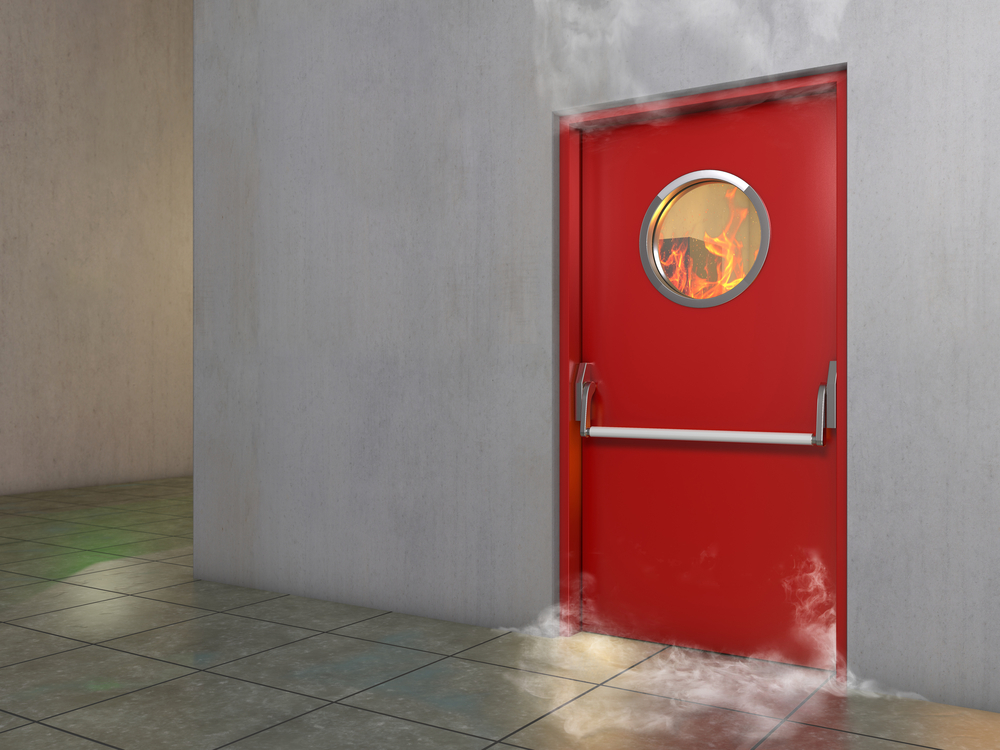
Passive Fire Protection: A Simple Explanation
Passive Fire Protection (PFP) is an integral part of structural fire protection and fire safety in a building. It's called 'passive' because it's built into the structure of the building and works without human intervention or mechanical activation. It's essentially about making sure that if a fire does break out, it spreads as slowly as possible, allowing more time for people to escape and for fire services to arrive.
Passive Fire Protection includes:
- Fire-resistant walls, floors, and doors to prevent the spread of fire
- Fire and smoke dampers in air conditioning systems to control the spread of smoke and flames
- Firestopping materials to seal any openings and prevent fire spread through small gaps
What are the Regulations for Passive Fire Protection in the UK?
The principal regulation governing passive fire protection in the UK is the Regulatory Reform (Fire Safety) Order 2005, also known as the RRO or FSO. This legislation places responsibility on the 'responsible person' – usually the owner or the person in control of the premises – to ensure adequate fire safety measures, including passive fire protection, are in place.
If you're the responsible person, you're obliged to:
- Conduct a fire risk assessment regularly and implement appropriate fire safety measures based on the findings.
- Maintain all fire safety measures, including passive fire protection, in efficient working order.
- Regularly review and update the fire risk assessment, especially if significant changes are made to the premises.
Have any questions about Passive Fire Protection or need to arrnage a survey click here

Fire Door Regulations: A Simple Explanation
Fire doors are a key component of passive fire protection, acting as a barrier to prevent the spread of fire and smoke while providing a safe escape route. They're specially designed to resist fire for a certain period, typically 30 or 60 minutes.
What are the Fire Door Regulations in the UK?
Under the Regulatory Reform (Fire Safety) Order 2005, fire doors must be correctly installed and maintained. They must be kept shut or be fitted with an approved device that will automatically close the door in the event of a fire.
As the responsible person, you're required to:
- Ensure fire doors are correctly installed and maintained
- Ensure fire doors are kept shut or automatically close if a fire breaks out
- Regularly inspect fire doors to ensure they're functioning correctly
The Need for Regular Fire Door Inspections and Passive Fire Surveys
Regular inspections of fire doors and passive fire surveys are crucial to ensure that these safety measures are effective and in line with regulations. A fire door inspection should look at all parts of the door, including the seals, hinges, door closer, and any automatic release mechanisms.
A passive fire survey, on the other hand, involves a comprehensive review of all the building's passive fire protection measures to ensure they're up to standard. This can include checking fire-resistant walls and floors, fire and smoke dampers, and firestopping materials.
Regular inspections and surveys are more than just a regulatory requirement – they're essential to the safety of the occupants of a building. They help identify any issues or deficiencies in fire protection measures, allowing for necessary repairs or upgrades to be made.
In conclusion, both Passive Fire Protection and Fire Door regulations play a pivotal role
`Click here to arrnage a Fire Door Inspection or Passive Fire Survey
 AMP Fire
